
Often in our culture we use these two words interchangeably, but worship and praise have to separate meanings and what it comes down to is the focus.
I’ll start with a simple explanation of both and move in to expound on them. Simply put, worship is on God for who He is, praise is about what God has done.
Worship is about reverence, awe struck wonder at God for who He is, the heart of worship longs to recognize the nature of God, to see God for who He is, and to respond in humility, love and recognition that God is holy and above all, loves His creation.
In worship our eyes are entirely fixated on God, we do not look at ourselves but purely and entirely on God, on His being, on His nature, on His very person.
In praise, we look at the things that God has done, that can be what he has done in creating, what he has done in our lives, what he has done in the lives of those around us, or ones we look to as inspirations.
When we worship, our gaze becomes entirely fixed and focused on God, in praise we look not at God, but the actions of God. That isn’t to say we don’t honor God when we praise, it’s to point out the different nature of the two, and the purpose and function of the two.
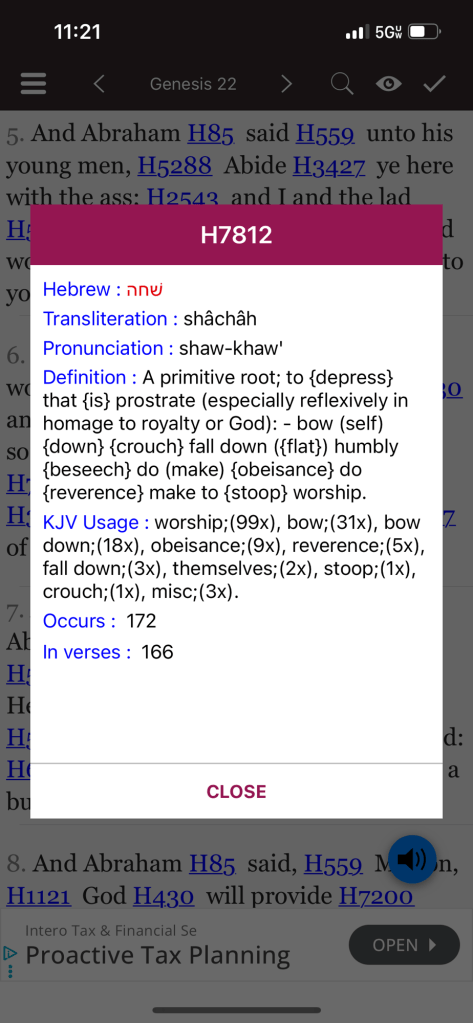
The Hebrew word for worship is shâchâh, it means to bow down, or lay down, to revere and humbly worship.
When we worship God, we humble ourselves, our mind and spirit and simply sing or meditate on God, His goodness, His enduring mercy and love, the fullness of which we do not understand. The only thing we focus on is God, our entire heart and mind should be consumed with the fire of His eternal being.
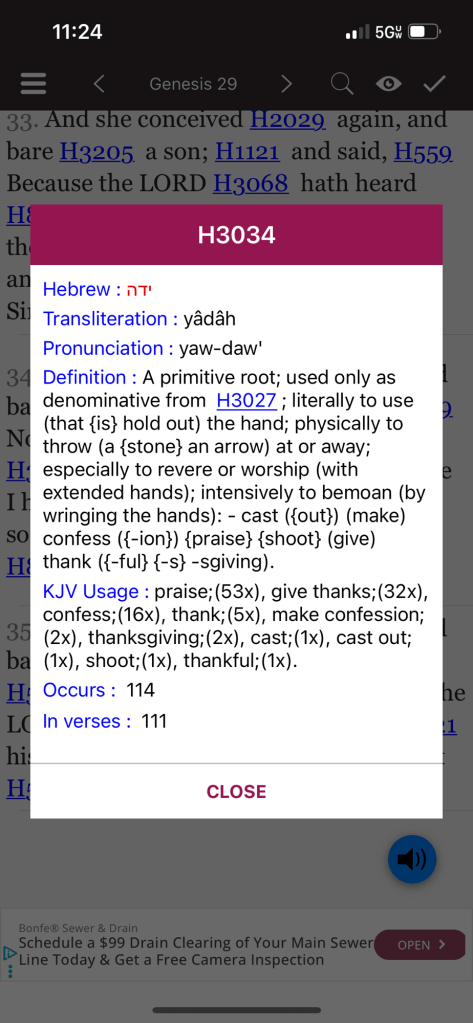
Praise, or yâdâh is about confession, outstretched hands, singing and thanksgiving. When we come to God in yâdâh we offer up our voices in recognition of the things he has done, for the mercy bestowed upon us, but in shâchâh sing of the mercy of God in recognition of it being who He is for He is mercy and merciful all His days.
Whether we choose to receive His mercy or not does not change that mercy is His nature, so we can choose to not receive His mercy, therefore we could not sing in yâdâh, but our yâdâh or lack of it, does not change that He is worthy of shâchâh or worship.
If we try to worship the works of God, then His actions become an idol in our lives, we begin to only seek God for what He can do for us, but our worship is to be eyes off ourselves, and fully on Him.
In praise we can sing of what God has done with thanksgiving, in fact sharing what God has done in our lives is a major part of our life, but it should not be confused with worship.
Worship does not say I… me, but is wholly and fully fixed on God. The heart in worship falls before the Father and declares Him holy, righteous and above all. The heart of worship is to see God for who He is and to allow that fearful reverence to humble us and recognize that apart from Him we are nothing.
In praise, our yâdâh, we shout out the wonderful works of His hand, we stretch out our hands and sing the glorious deeds of almighty God, in praise we sing God I thank you, God you have saved me, praise is testimonial, worship is a humble declaration.
 Joseph Bross ministries